Introduction
● Foster and adopted children often
experience traumatic separations and
losses.
● These experiences elicit underlying
grief, which can complicate their
adjustment to the new family unit.
● Children's responses to grief vary
based on age and development stage.

Roles and Relationships
● Uncertainty hinders children from reorganizing roles and relationships in
their new family.
● Letting go of caregiving roles from the birth family can be difficult for the child.
● Foster and adoptive parents must understand and support these
challenges.
Perceptions and Judgments
● Adoption is celebrated, but children may feel confused or guilty about expressing happiness.
● Others may not fully appreciate the connection between adoption and the loss of the birth family.
● Understanding the child's loyalty to their birth family is crucial for foster and adoptive parents.
What Happens to a Child in Foster Care?
● Foster children lose contact with birth parents, physical surroundings, and sometimes siblings.
● Uncertainty about reunification with birth family creates feelings of
depression, anxiety, and family conflict.
● Resolving grief becomes challenging when the child is unsure if the loss is temporary or permanent.

Lack of Symbolic Rituals
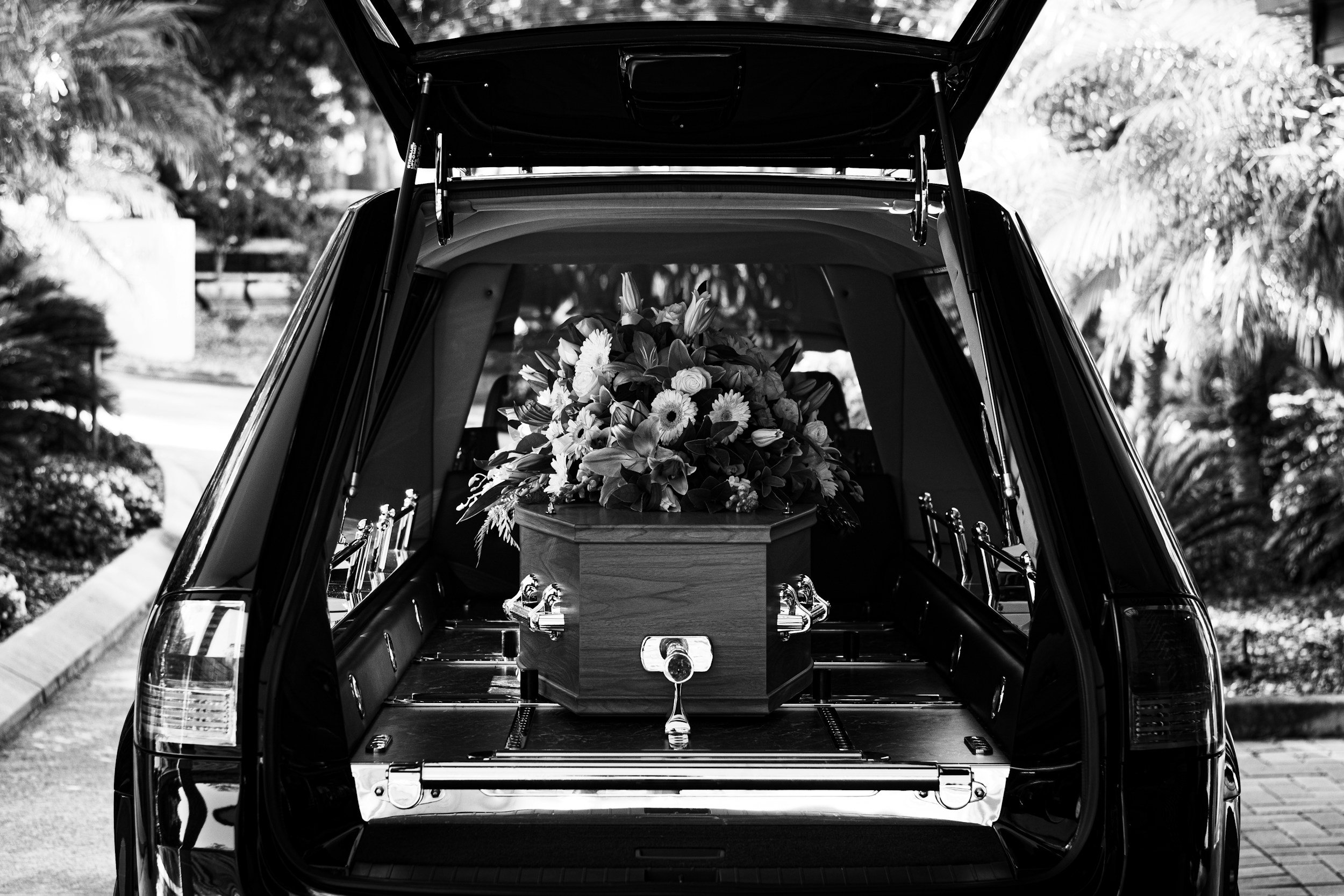
● Society recognizes death through funeral ceremonies, but separations
from birth families lack somber rituals.
● The knowledge of the existence of birth family members can cause confusion and anxiety.
● The lost relationship is often not socially acknowledged, creating
additional challenges for the child.